Queen Elizabeth Class: Spearheading a New Era for British Naval Power
The Royal Navy has long been a global maritime force, and at the heart of its modern capability stand the Queen Elizabeth Class aircraft carriers. Representing the pinnacle of contemporary naval engineering and strategic projection, these colossal warships are not merely vessels; they are sovereign bases, capable of deploying air power anywhere in the world. Far more than just carriers, they embody the United Kingdom's commitment to global security and its role on the international stage. These flagship vessels mark a profound evolution in the lineage of
British Aircraft Carriers, a history rich with innovation and strategic foresight, leading directly to today's most advanced and largest ships ever constructed for the Royal Navy.
The Queen Elizabeth Class: Design, Displacement, and Distinction
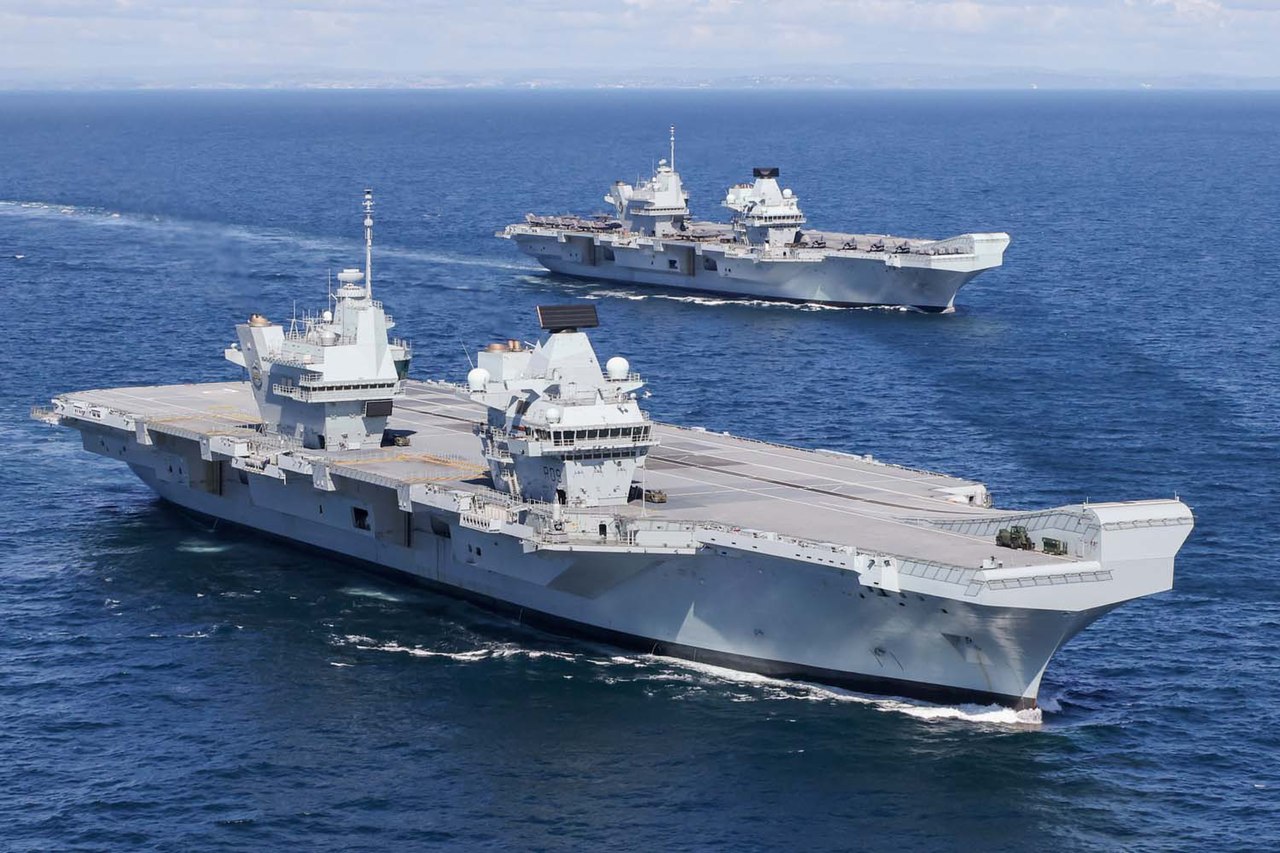
The Queen Elizabeth Class consists of two magnificent vessels: HMS Queen Elizabeth and her sister ship, HMS Prince of Wales. Commissioned in December 2017 and December 2019 respectively, these carriers signify a monumental step forward from their predecessors, the Invincible-class. Crafted by the collaborative Aircraft Carrier Alliance, their development represents a significant national investment, with a total cost approaching £7.6 billion. This expenditure underscores the strategic importance the UK places on maintaining a world-class naval aviation capability.
These are not just big ships; they are engineering marvels designed for maximum operational flexibility and resilience. Each carrier boasts an impressive displacement of 65,000 tonnes and stretches an incredible 284 metres in length. Their immense size allows for extensive operational capacity, accommodating a full complement of F-35B Lightning II fighter jets, helicopters, and a vast array of supporting personnel and equipment. This capacity is critical, as the carriers are designed to be the central component of the UK’s Carrier Strike Group, a potent force package capable of executing a wide variety of maritime operations, from high-intensity combat to humanitarian aid. The design philosophy behind these carriers emphasizes modularity and adaptability, ensuring they can evolve to meet future threats and technological advancements, securing their relevance for decades to come.
Propulsion and Prowess: Powering the Giants
The heart of the Queen Elizabeth Class's formidable capabilities lies in their advanced propulsion system. These
British Aircraft Carriers utilise an integrated electric propulsion system, a sophisticated blend of power generation and distribution. This system combines two powerful Rolls-Royce Marine Trent MT30 gas turbines with four Wärtsilä diesel engines, delivering a combined output of an astonishing 158,800 horsepower. Such immense power enables these behemoths to achieve speeds in excess of 25 knots and provides them with an impressive range of up to 10,000 nautical miles, allowing them to project power across vast oceans without frequent refuelling.
Beyond their sheer power, the design incorporates innovative features like the twin island superstructure. This unique configuration enhances flight deck operations, improves command and control capabilities by separating navigation and flying operations, and increases the ship's survivability by compartmentalising critical systems. The carriers' advanced sensor suites, state-of-the-art communication systems, and integrated combat management systems ensure they are not only formidable platforms for air power but also highly capable command and control centres at sea. This blend of robust engineering and cutting-edge technology makes them truly advanced warships, capable of operating in complex and contested environments.
Maintaining Readiness: Current Operations and Global Engagement
The ongoing operational tempo of the Queen Elizabeth Class highlights their vital role in the Royal Navy’s strategic posture. As of November 2024, both HMS Queen Elizabeth and HMS Prince of Wales have been actively engaged in training and defence exercises in waters around the UK, demonstrating a strong focus on readiness and operational capability. This period of intense activity underscores the nation's commitment to maintaining a robust and deployable carrier force.
HMS Queen Elizabeth recently returned to Portsmouth for a brief period on November 1st after a 10-day training stint, only to set sail again on November 4th for further operational training and defence engagement, including a planned visit to a European city before her expected return before Christmas. This rapid turnaround follows a crucial period earlier this year when the carrier underwent critical repairs at Rosyth, addressing a technical issue with her starboard propeller shaft coupling. This issue had necessitated her withdrawal from the significant NATO exercise Steadfast Defender. Crucially, during this maintenance period, HMS Prince of Wales stepped up to assume operational responsibilities, showcasing the inherent resilience and strategic advantage of having two such carriers. Similarly, HMS Prince of Wales, having recently returned from exercise Strike Warrior, quickly rejoined her sister ship at sea for ongoing exercises. This seamless handover and continuous deployment capability are paramount for the UK's defence and its ability to respond to global contingencies, providing undeniable proof of
Royal Navy Readiness: Both Queen Elizabeth Class Carriers Deployed.
The Legacy and Future of British Naval Aviation
The Queen Elizabeth Class stands as the latest chapter in a long and distinguished history of
British Aircraft Carriers. From the early experimental vessels to the sophisticated supercarriers of today, the evolution of British carrier aviation is a testament to continuous innovation and strategic adaptation. Detailed in comprehensive works like David Hobbs' "British Aircraft Carriers: Design, Development and Service Histories," this lineage encompasses an astonishing array of ship types, each contributing to the knowledge and experience that culminated in the Queen Elizabeth Class. Hobbs' meticulously researched volume, drawing on extensive historical research and practical insights from his own Fleet Air Arm experience, underscores the complex interplay of design, political decisions, and operational demands that have shaped every generation of British carriers.
Looking ahead, these carriers are more than just platforms for F-35B jets; they represent a flexible instrument of foreign policy and defence. Their ability to deliver humanitarian aid, conduct disaster relief, act as a floating embassy, or project decisive military power makes them invaluable assets in an unpredictable world. They compare favourably with global counterparts, representing a significant investment that ensures the UK remains a credible naval power with the capacity to influence events far from its shores. The presence of these two magnificent ships ensures the UK's naval aviation remains at the forefront, ready for any challenge the future may hold.
In conclusion, the Queen Elizabeth Class aircraft carriers are truly monumental achievements in naval engineering and a cornerstone of the UK's defence capabilities. HMS Queen Elizabeth and HMS Prince of Wales not only represent the largest and most advanced warships ever built for the Royal Navy but also embody the strategic vision and commitment required to maintain a global maritime presence. From their powerful propulsion systems and flexible design to their current active deployments and crucial role in the Carrier Strike Group, these
British Aircraft Carriers ensure the Royal Navy remains a potent force, capable of safeguarding national interests and contributing to international stability for decades to come.